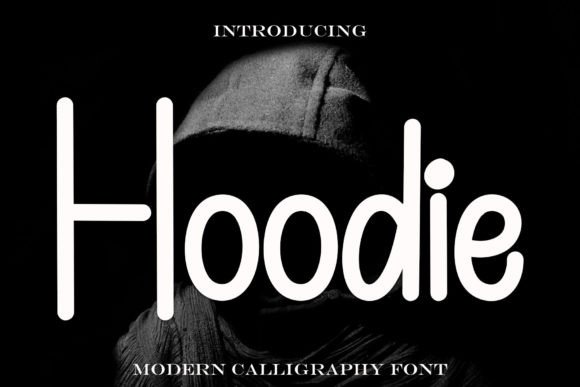
Hoodie: A Sweet Handwritten Font for Editorial Charm
For publishers, bloggers, and editorial designers who craft content that needs to feel personal and approachable, a carefully chosen display font can transform a layout from sterile to magnetic. Hoodie is a sweet and friendly handwritten font that carries a fresh, sleek personality while keeping the organic imperfections that make handwriting feel intimate. As a display font, Hoodie isn’t meant for long blocks of body text—it shines in headings, titles, pull quotes, and anywhere you want to add a human touch without sacrificing professional polish. Its PUA-encoded character set ensures easy access to alternates, ligatures, and swashes, giving you creative freedom to tailor its look across blog headers, magazine covers, ebook titles, and printable editorial materials.
Hoodie for Blog Headers and Article Title Design
A well-structured blog relies on visual hierarchy, and the Hoodie display font is an excellent choice for article titles that need to feel effortless and friendly. When I build a layout for a lifestyle blog, food journal, or personal essay series, I often reach for a handwritten Font like Hoodie to break away from the cold uniformity of standard sans serif headers. The soft, rounded letterforms of Hoodie invite readers in, making long-scroll pages feel less intimidating and more like a conversation. Pair Hoodie titles with a clean serif body font, and you’ll strike a balance between playful personality and readable substance. For a recipe blog, for instance, a Hoodie heading over a step-by-step guide instantly communicates warmth and approachability, encouraging readers to stay on the page and actually try the dish.
This font also handles subheadings with ease. Use a slightly smaller size for article subheads, and the gentle handwritten texture maintains consistency while guiding the eye through different content sections. Because Hoodie is a Display typeface, its best impact comes at larger sizes, so keep it above 18 pixels on screen for maximum clarity and charm. Whether you run a personal blog, a niche magazine site, or a content-heavy portfolio, integrating Hoodie into your header system can lift engagement rates simply by making the first visual impression more human.
Hoodie for Ebook Covers and Chapter Openers
Self-publishers and editorial designers know that an ebook cover is the single most important sales tool for a digital product. Hoodie brings a distinct, friendly handwritten voice that stands out in crowded online marketplaces. For a wedding planning ebook, a coaching workbook, or a recipe collection, using Hoodie as the primary display font on the cover immediately signals warmth, creativity, and a hands-on approach. The font’s sleek yet approachable strokes look great over photographic backgrounds or as a large standalone title treatment.
Inside the ebook, chapter openers and part-title pages benefit from the same visual consistency. Instead of the usual heavy serif or stiff geometric fonts, Hoodie introduces a note of soft elegance. When I design a lead magnet or a printable guide, I often set the chapter number and title in Hoodie, then drop the first paragraph in a highly readable serif Font. This creates a tension between the handwritten and the formal that keeps the reader visually engaged. Because Hoodie is PUA encoded, I can easily access swashes to embellish beginning or ending letters, adding a bespoke feel to each chapter without needing to hand-letter anything myself. The result is a publication that feels custom-made and memorable, which is exactly what you want when building a loyal readership for your digital products.
Hoodie for Newsletter Graphics and Creator Branding
Newsletters have become one of the most valuable editorial channels for independent creators, and visual consistency is key to standing out in a crowded inbox. Hoodie as a display font can give your newsletter headers and feature callouts a recognizable, friendly identity. Imagine a weekly newsletter from a wellness coach or a travel blogger—using Hoodie for the masthead, the main story headline, or pull quotes inside the email body helps cement a consistent brand feeling. Since the font is a clean handwritten design, it avoids the messiness of a true script while still conveying individuality. Readers start to associate that specific swash and letterform style with your content, which builds trust and opens rates over time.
Similarly, for social media graphics that promote newsletter content, Hoodie works beautifully on quote cards and short video titles. I often pull a one-liner from an article, set it in Hoodie at a generous size over a soft background, and the text instantly becomes a shareable asset. The font’s Display nature ensures it remains legible on small mobile screens when used in this way, as long as you keep the character count moderate. Pair it with a subtle sans serif for the byline or URL, and you have a complete on-brand template that works across platforms and email clients.
Hoodie for Wedding Invitations and Printable Editorial Materials
The original inspiration behind Hoodie—wedding invitations and cards—translates seamlessly into a broader editorial print context. For publishers who produce printable wedding guides, event checklists, venue lookbooks, or bridal magazine layouts, this handwritten font adds the fresh, sleek touch that the stationery world loves, while staying adaptable to multi-page documents. I’ve used Hoodie on RSVP card inserts inside a digital wedding planner, and on the cover of a DIY craft printable. In both cases, the font’s playful yet refined personality elevated the material beyond a plain template.
Using Hoodie for Wedding Guide PDFs and Printable Worksheets
When you design a downloadable wedding guide or a lead magnet for a bridal blog, the typography must remain clear when printed at home on standard paper. Hoodie retains its shape and legibility at larger print sizes, so headlines and section markers on worksheets, budget trackers, and timeline checklists remain easy to scan. Because the font is a Display typeface, I reserve it for the most important text elements—cover titles, worksheet headers, and decorative accents—and pair it with a sturdy serif for the fillable form fields. Many premium Fonts claiming a handwritten look can become illegible when photocopied or printed on textured paper, but Hoodie’s balanced stroke contrast and clean connections hold up well in home and office printing environments. Check the font’s built-in glyphs for extra ornamentation; the PUA-encoded alternates let you adorn titles with heart-like terminals or extended tails, giving the final PDF a custom stationery feel that brides and readers genuinely appreciate.
Pairing Hoodie with Serif and Sans Serif Fonts for Readable Layouts
A Display font like Hoodie rarely works in isolation. Its charm multiplies when you surround it with well-chosen body and accent typefaces. In editorial design, the contrast between the organic, handwritten quality of Hoodie and the structured regularity of a classic serif creates a balanced reading experience. Similarly, pairing the font with a clean sans serif can anchor its playfulness in modern, minimal layouts. The key is to maintain readability while letting Hoodie’s personality shine where it matters most—in headings, drop caps, pull quotes, and featured testimonials.
Serif Fonts That Enhance Hoodie’s Handwritten Charm for Body Text
- A warm humanist serif like Lora gives longform articles a soft, bookish tone that complements the friendly curves of Hoodie.
- For digital magazines and elegantly styled reports, a transitional serif such as Merriweather offers robust readability at small sizes while still feeling approachable.
- If your publication leans into a craft or heritage aesthetic, a slab serif like Roboto Slab can ground the handwritten headlines with a sturdy, typographic base.
Always test the pairing at multiple font sizes on actual device screens and printed proofs, because what looks balanced in a design tool can shift once rendered to pixels or paper. The right serif sets a stage where Hoodie becomes the star performer without straining the reader’s eye.
Clean Sans Serif Fonts That Work with Hoodie for Captions and Navigation
- Inter or Source Sans Pro work well as subtle navigation labels and photo captions, letting the display font take center stage.
- For editorial brand identities—such as a magazine logo that uses Hoodie in the wordmark—Montserrat’s geometric letterforms create a confident, modern contrast against the organic handwritten stroke.
- In newsletter templates where space is tight, a compact sans like Open Sans keeps secondary information crisp and scannable without competing with Hoodie’s lively headings.
This approach to font pairing keeps your layouts accessible, because the body and utility text remain highly legible while the Display font injects exactly the right amount of personality.
Licensing Hoodie for Commercial Editorial and Digital Products
For many independent publishers and creators, a font purchase is a business investment, so understanding commercial licensing is essential. Hoodie is a premium Font that requires a proper commercial license if you plan to use it in ebooks for sale, subscription-based newsletters, paid printable templates, client editorial projects, or any other revenue-generating asset. I always advise checking the included license terms before finalizing a download—most foundries explicitly state whether the standard license covers digital products, embedding in PDFs, or social media use. Because Hoodie is a Display font designed for headlines and decorative text, you’ll likely use it in ways that are high-visibility, so securing the appropriate license protects both your brand and the font designer.
When you invest in a commercial font like Hoodie, you’re not just buying a file—you’re adding a consistent design asset that can differentiate your magazine, blog, or digital guide from the sea of templated content. Check if the license allows for embedding in applications like Canva or Adobe Express if you use those for creating client work, and confirm that the PUA-encoded glyphs are fully included so you can access every alternate. With the right license in place, you can freely use Hoodie across all your publication channels, giving every article, workbook, and cover a signature, reader-friendly voice that encourages people to click, read, and come back for more.